

New This Week: Global Competition — Should the Government Take an Equity Stake in Certain Businesses?
Could it be a proactive competitive strategy in shifting geopolitical times or one that should only ever be done as a resort?

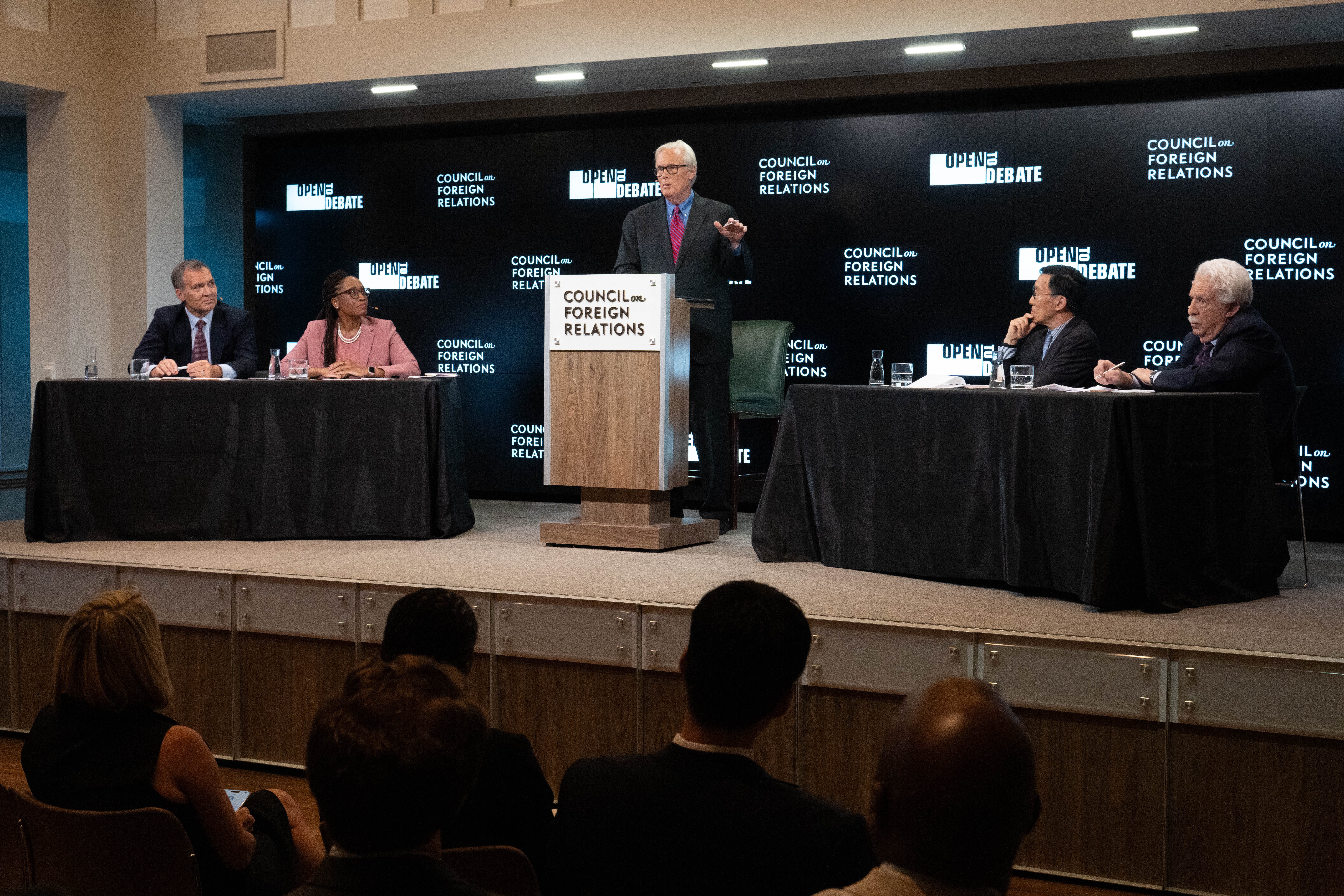
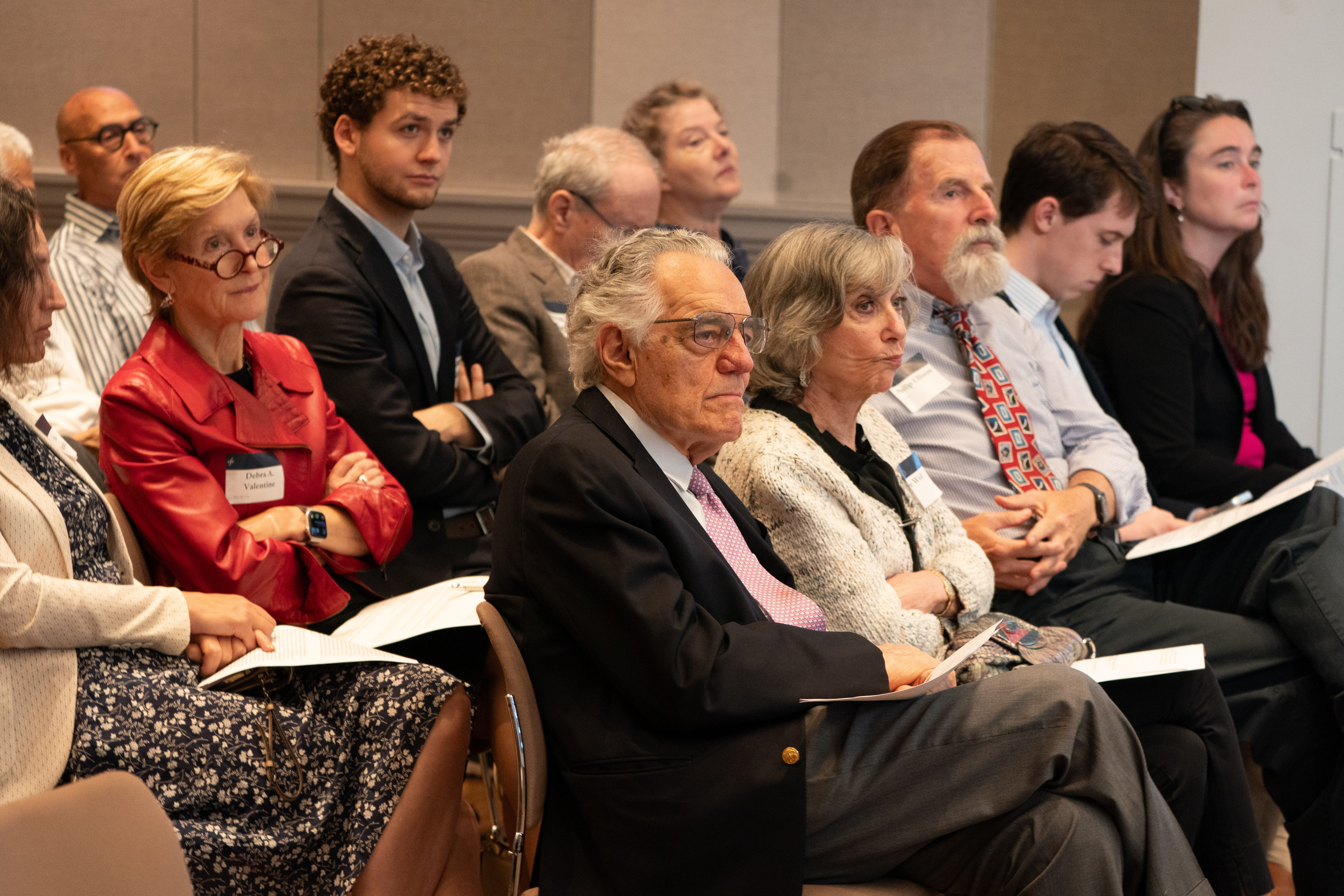
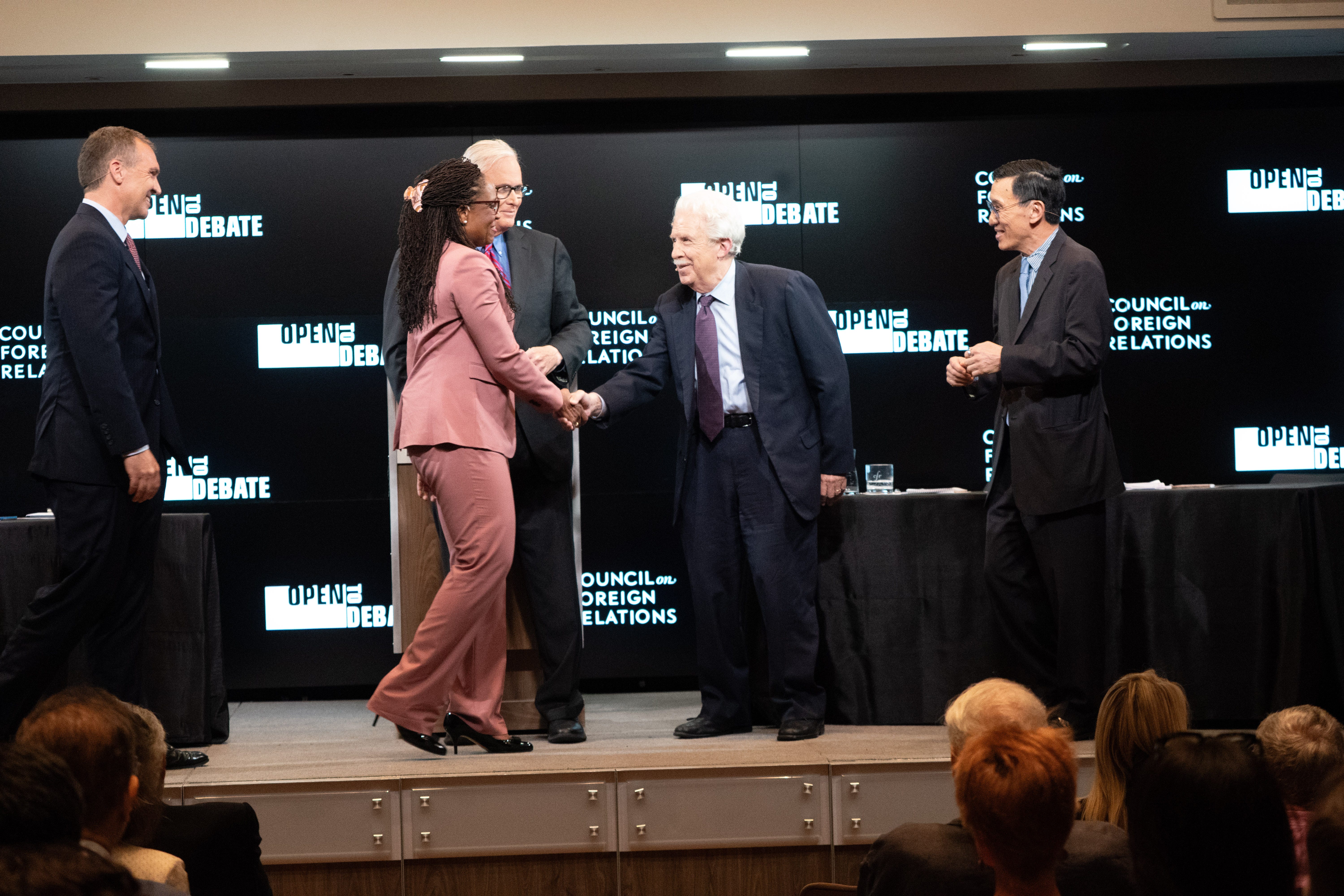
Photo credit: Don Pollard with the Council on Foreign Relations

As governments around the world take a more active role in shaping markets, a long-running economic question is moving back to center stage as the U.S. reconsiders its economic playbook in an era of geopolitical competition: when should the state step in — and how far should it go?
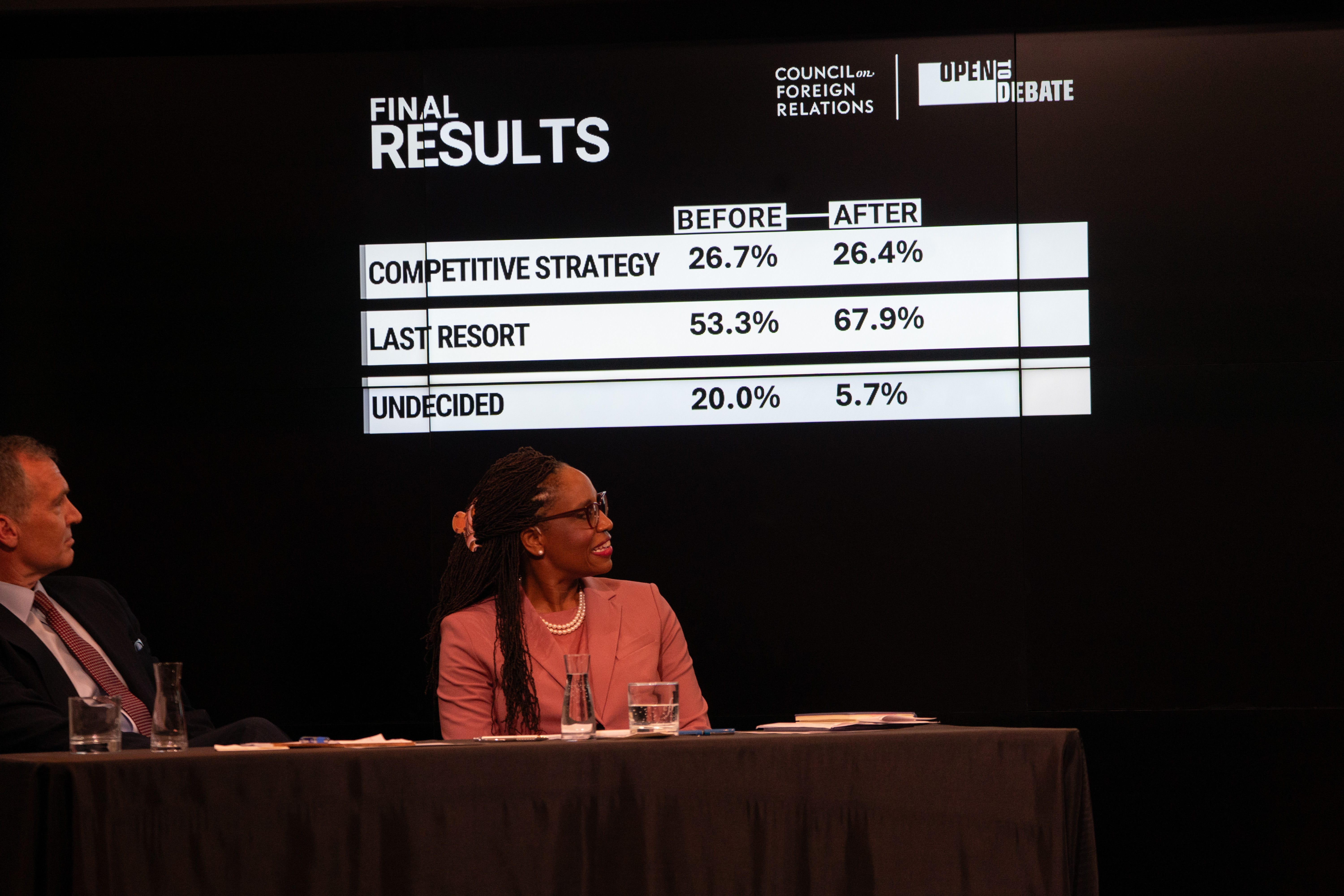
In front of a live, voting audience at the Council on Foreign Relations, our debaters took on a growing, but necessary economic question: Government as Shareholder: Proactive Competitive Strategy or Last Resort?
It’s not just a theoretical debate. In recent weeks, the issue has been examined in major outlets, including The Wall Street Journal, Foreign Affairs, Bloomberg, and The Economist. President Trump’s actions during his second term — including government stakes tied to industries such as semiconductors, rare earth minerals, defense manufacturing, and critical infrastructure, and more explicitly in companies like Intel — have intensified conversations about whether public investment can strengthen national competitiveness or whether government ownership risks distorting markets in ways that create more problems than solutions.
With markets watching and policymakers experimenting, where should the line be drawn? The audience’s votes before and after may surprise you – listen now on Apple Podcasts, Spotify, and YouTube, and let us know what you think.
Arguing “Proactive Competitive Strategy”:
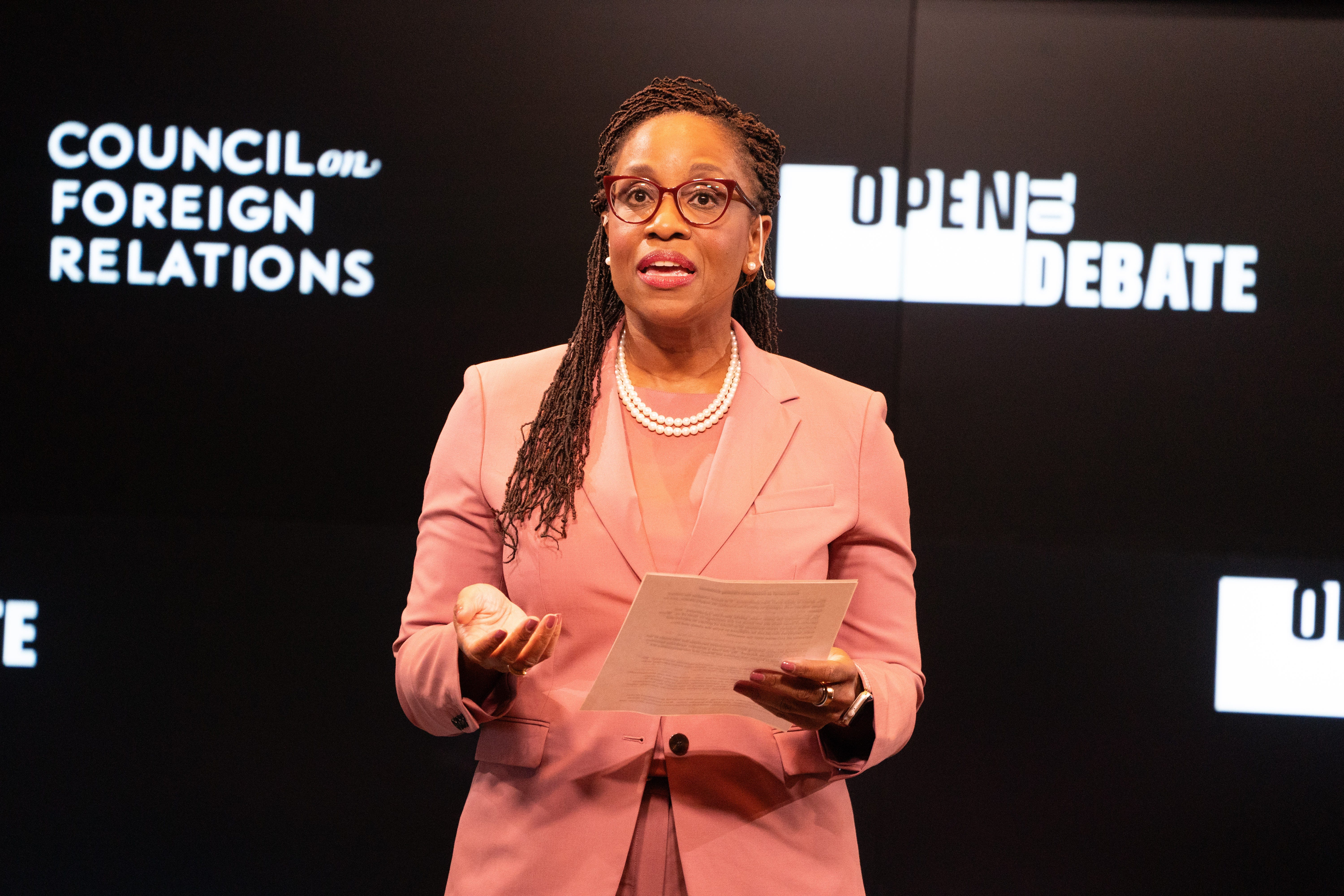
Laura Taylor-Kale, Senior Fellow for Geoeconomics and Defense at the Council on Foreign Relations and Former Assistant Secretary of Defense for Industrial Policy
"When markets move too slowly to protect the nation, should the government have the ability to act? And we've already said that it's okay for the government to have loans, it's okay for the government to have grants, it's okay for the government to have purchase commitments, and all these other solutions. What we're saying is equity should be another piece of that toolkit for the government to act when markets are moving too slowly."
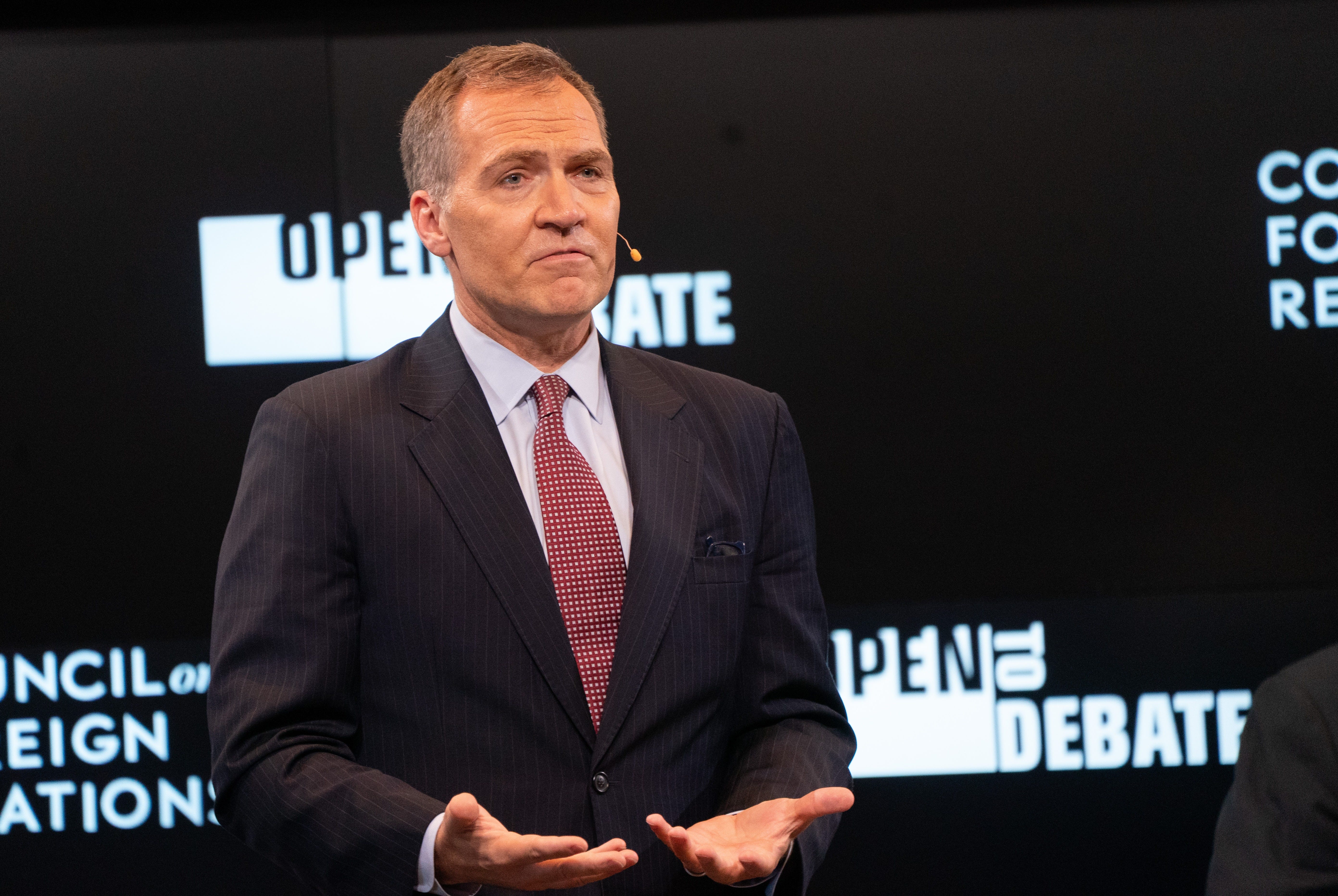
Richard Falkenrath, Senior Fellow for National Security at the Council on Foreign Relations; MJ Chung Distinguished Chair at the School of Advanced International Studies at Johns Hopkins University
“When you come to the table, and you're working through a problem, should you just come in and say, 'You know what? I can't even talk about [a] policy of equity because I have this point of view, and all this history, and these things we've studied in the past.' Or should you come in and say, 'No, let's think open-mindedly and creatively about the different tools and the different things we could do that might work in this 21st-century economy we have?'"
Arguing “Last Resort”:
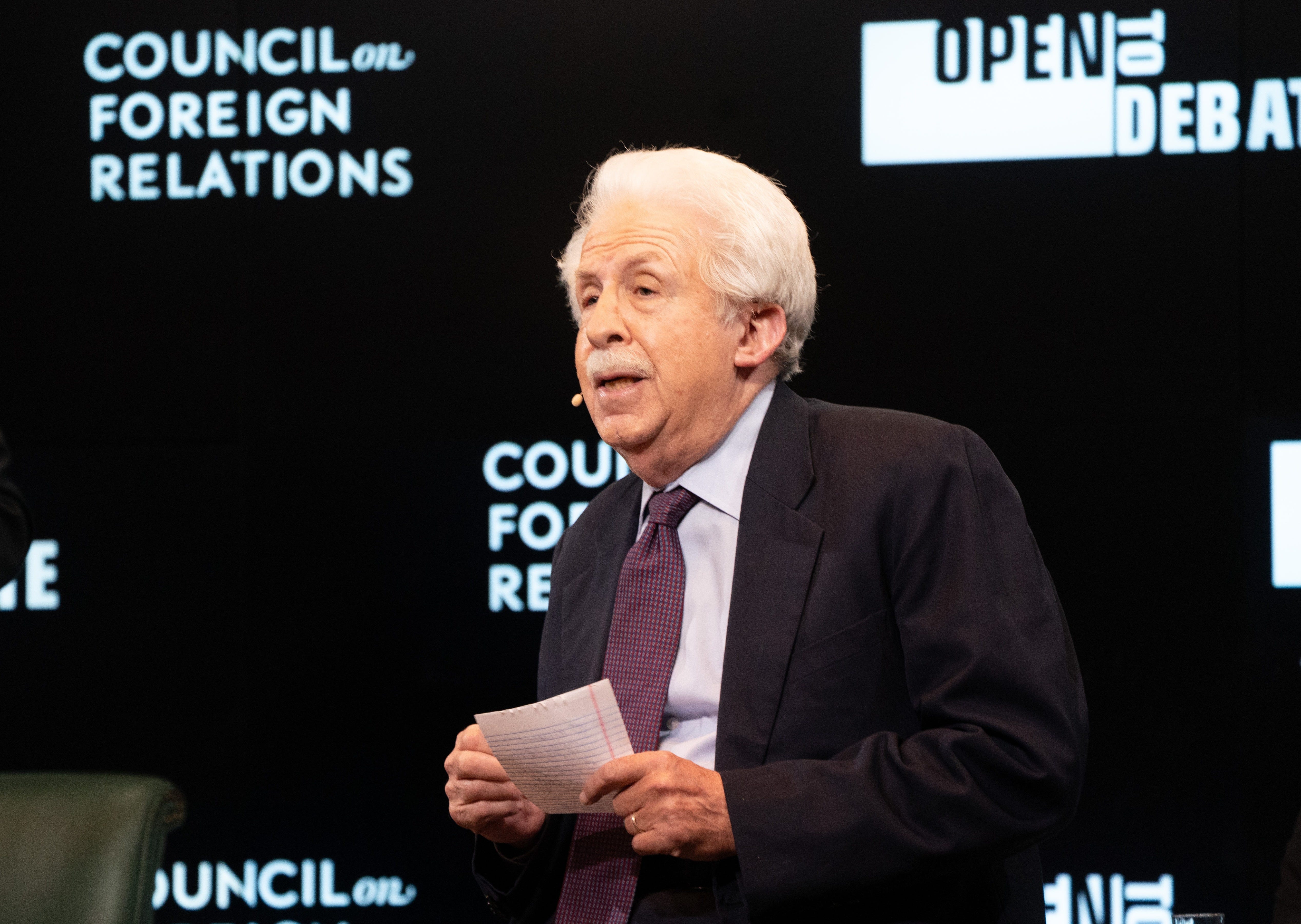
Bob Pozen, Distinguished Senior Lecturer at MIT Sloan School of Management; Former President of Fidelity Investments
"I submit that government ownership should be a last resort, not for ideological reasons, but for practical reasons, that we could do these things without government ownership in most cases, and we can avoid the lots of negatives that are associated with government ownership."

Yasheng Huang, Epoch Foundation Professor of Global Economics and Management at the MIT Sloan School of Management; Author of “The Rise and the Fall of the EAST”
"Worldwide, the evidence is super clear. Government ownership leads to more failures than successes, and this is a sobering reality that we need to pay attention to in order to not to repeat the mistakes. If a government in a democratic society makes wrong investment and ownership decisions, it damages the credibility and the legitimacy of the government.”
Patrick Radden Keefe and Nayeema Raza talk FRAUD and FABULISTS Live at the Comedy Cellar

Join New Yorker staff writer and bestselling author Patrick Radden Keefe (Empire of Pain, Rogues, Say Nothing, London Falling) in conversation with award-winning podcaster and Open to Debate guest moderator Nayeema Raza for a live taping of her Spotify Top 10 show “Smart Girl Dumb Questions” at the Comedy Cellar on Tuesday, May 26, at 6 PM. It’ll be a night of wit and wild stories. You can get tickets here.
In the News
Something Big Is Happening on Campus
David Brooks | May 17, 2026
Watch David’s conversation on the art of hearing and seeing others
An indefensible defense budget proposal and what it portends for our nation
Elizabeth Shackelford | May 15, 2026
Watch Elizabeth debate whether sanctions are an effective policy tool
High Home Values, Low Housing Prices, Choose One
Oren Cass | May 17, 2026
Watch Oren debate whether the Republican Party’s refusal to raise taxes is fiscally irresponsible
My Son’s Hockey Team and the Crisis of American Resentment
Sen. Chris Murphy | May 20, 2026
Watch Chris debate whether religion could help cure the loneliness epidemic
Government control of chip sales has a shocking downside
Stephen Moore | May 19, 2026
Watch Stephen debate whether Trump was right to increase tariffs on Chinese imports
Rebecca Lissner and Mira Rapp-Hooper | May 16, 2026
Watch Mira debate whether negotiations can denuclearize North Korea
AI Surprise in Cannes: Curiosity Wins Over Fear
Sharon Waxman | May 17, 2026
Watch Sharon debate whether California is the first failed state
To me, this is one of the best 2 vs 2 debates y’all have hosted. I learned something from each debater and even the audience questions were useful.